Roller Shades
Roller shades with one clean line at the window
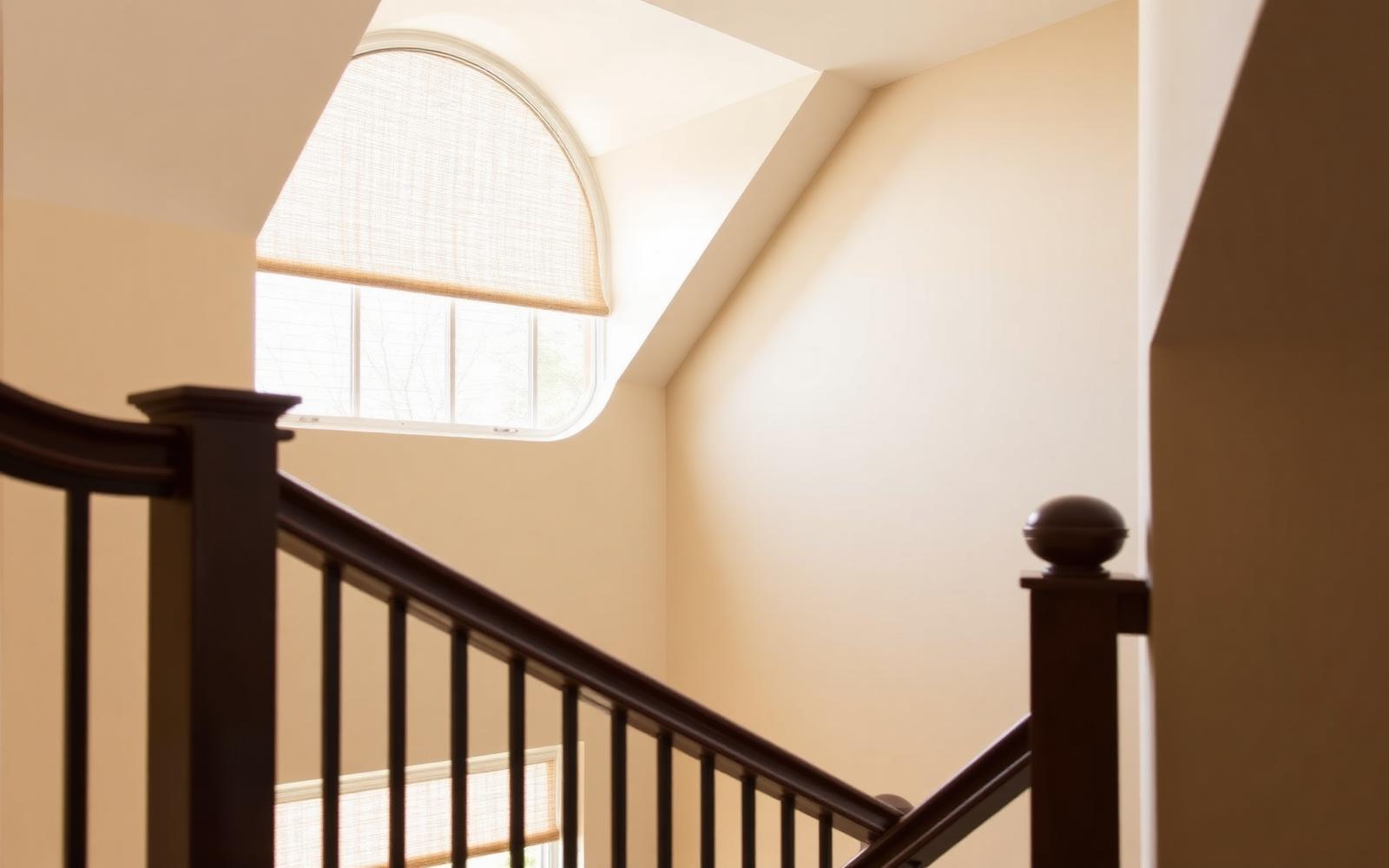
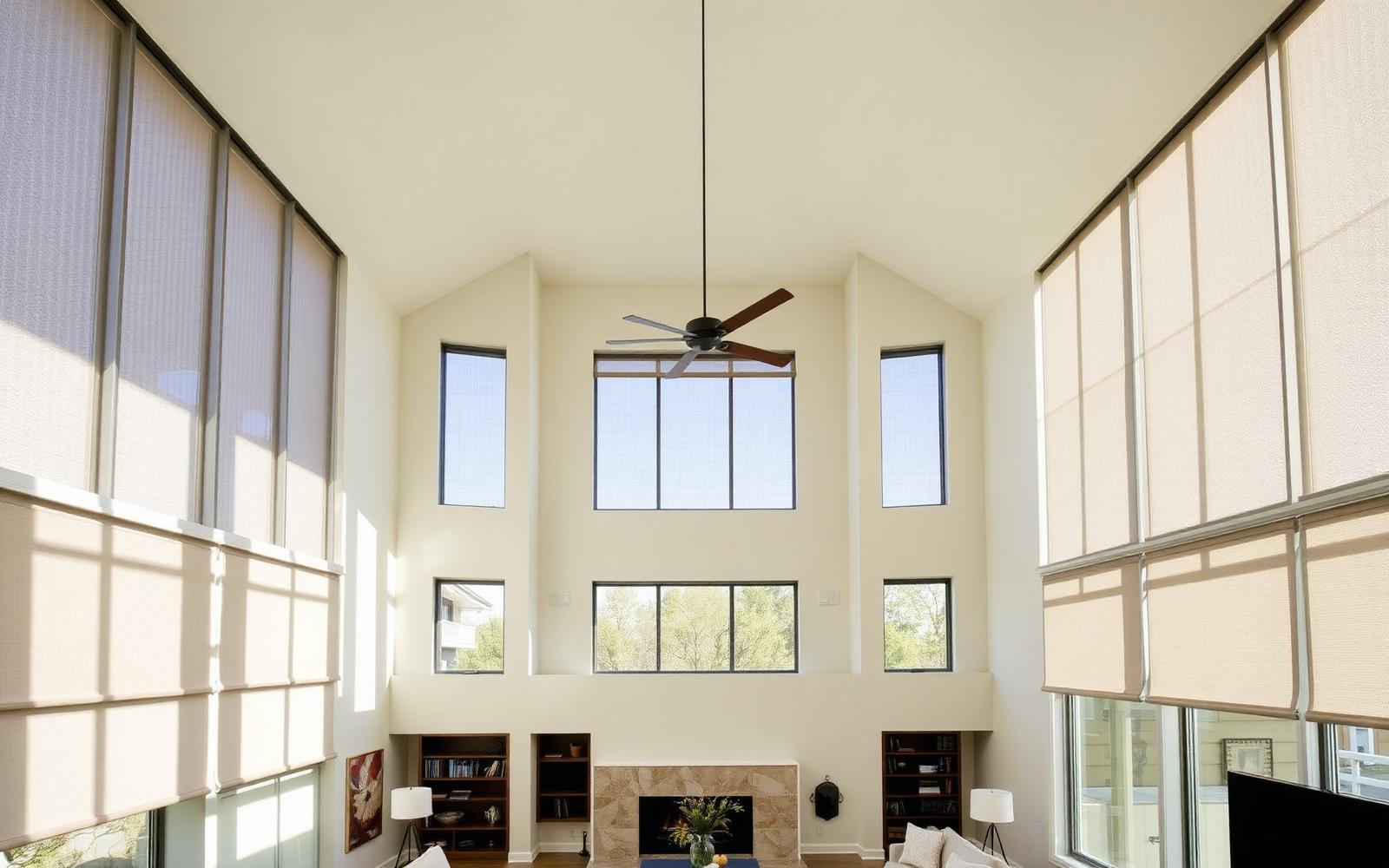
A single panel of fabric, chosen at the right opacity, that reads as part of the wall rather than an object hung in front of it.
Roller shades are the most versatile treatment we install. Because there are no slats or stacked hardware, the window keeps a calm, uninterrupted line, which is exactly why they suit modern interiors and smaller rooms that shouldn't feel busy.
Everything comes down to fabric. An open weave keeps the view and still cuts glare, a tighter weave gives privacy while daylight comes through, and a lined fabric closes the room down. We bring samples so you can compare opacities against your own light before choosing.
Every project is measured on site, ordered to your exact openings, installed by our own team, and tested with you before we leave.
Where it works best
- Living rooms and open-plan spaces
- Home offices with screen glare
- Kitchens and dining areas
- Apartments with wide window walls
- Rooms where drapery will be layered on later
Roller Shades
Considering roller shades for your home?
Tell us which rooms you are working on and we will bring roller shades samples to your home, measure the openings and recommend the version that suits the light, privacy and budget you have in mind.
Options
Choose the version that fits the room.
Solar / screen fabrics
Openness factors from 1% to 10% cut glare and UV while keeping the outward view, ideal for west-facing glass.
Light filtering fabrics
Diffuse daylight softly and keep the room bright without a direct view in during the day.
Room darkening & blackout fabrics
Lined fabrics for bedrooms and media rooms, with optional side channels for a tighter seal.
Cordless, chain or motorized lift
Choose a continuous chain, a cordless spring lift or a quiet motor with remote and app control.
Cassette, fascia or exposed roll
Finish the headrail to match the room, a squared fascia for a built-in look or a simple exposed roll.
Dual roller systems
A solar shade and a blackout shade on one bracket, so a single window handles daytime glare and nighttime privacy.
Benefits
Why homeowners choose it.
- A calmer window line
- No slats and no stacked hardware, just one continuous surface.
- Precise glare control
- Lower the shade only as far as the sun reaches and keep the rest of the view.
- Easy to live with
- Cordless and motorized lifts remove dangling cords and operate with one hand.
- Layer friendly
- Roller shades sit close to the glass, so drapery can be added later without crowding the opening.
- Excellent value
- Custom-made to your opening at a price that stays sensible across a whole house.
Made to measure
Customization.
- Openness factor selected per room orientation
- Inside or outside mount
- Fascia, cassette or exposed roll
- Cordless, chain or motorized operation
- Coordinated fabrics across rooms
Getting It Right
Choose the weave before you choose anything else
Every other decision on a roller shade (headrail, mount, lift) is secondary to opacity. Get the weave wrong and no amount of good hardware fixes it.
We bring physical samples into the room and hold them against the actual window, at the actual time of day, rather than working from a swatch book under showroom lighting.
- Compare 2-3 opacities in your own light
- Check the fabric against furniture and floor tones
- Confirm privacy at night, not just during the day
Measuring
What a proper roller shade measurement covers
01
Mount decision
Inside mount for a flush, architectural look; outside mount where light control or a shallow recess matters.
02
Width and drop
Each opening is measured on its own, even in a run of matching windows.
03
Headrail check
We confirm depth for a cassette or fascia finish before ordering, not after.
04
Obstruction check
Handles, trim and blinds already in place are accounted for.
Layering
One bracket, two fabrics
A dual roller system mounts a solar or light filtering shade in front of a blackout shade on the same bracket, so one window covers daytime glare and nighttime darkness without adding a second treatment to the wall.
It is the most requested upgrade on rooms that get strong afternoon sun and also need to sleep dark.
Care & Maintenance
Keeping a roller shade looking new
- Dust with a soft brush attachment rather than a damp cloth on most fabrics
- Spot-clean marks promptly with a mild solution, testing an inconspicuous corner first
- Avoid pulling the shade past its lower limit, this is what stresses the chain or clutch
- Keep the tube and brackets free of dust so the roll stays level over time
Comparison
Roller shades next to the alternatives
Roller vs cellular
Rollers give a flatter, more minimal line; cellular shades add insulation but a deeper stack.
Roller vs zebra
A standard roller is one opacity; a zebra shade adjusts between filtered and closed within the same fabric.
Our work
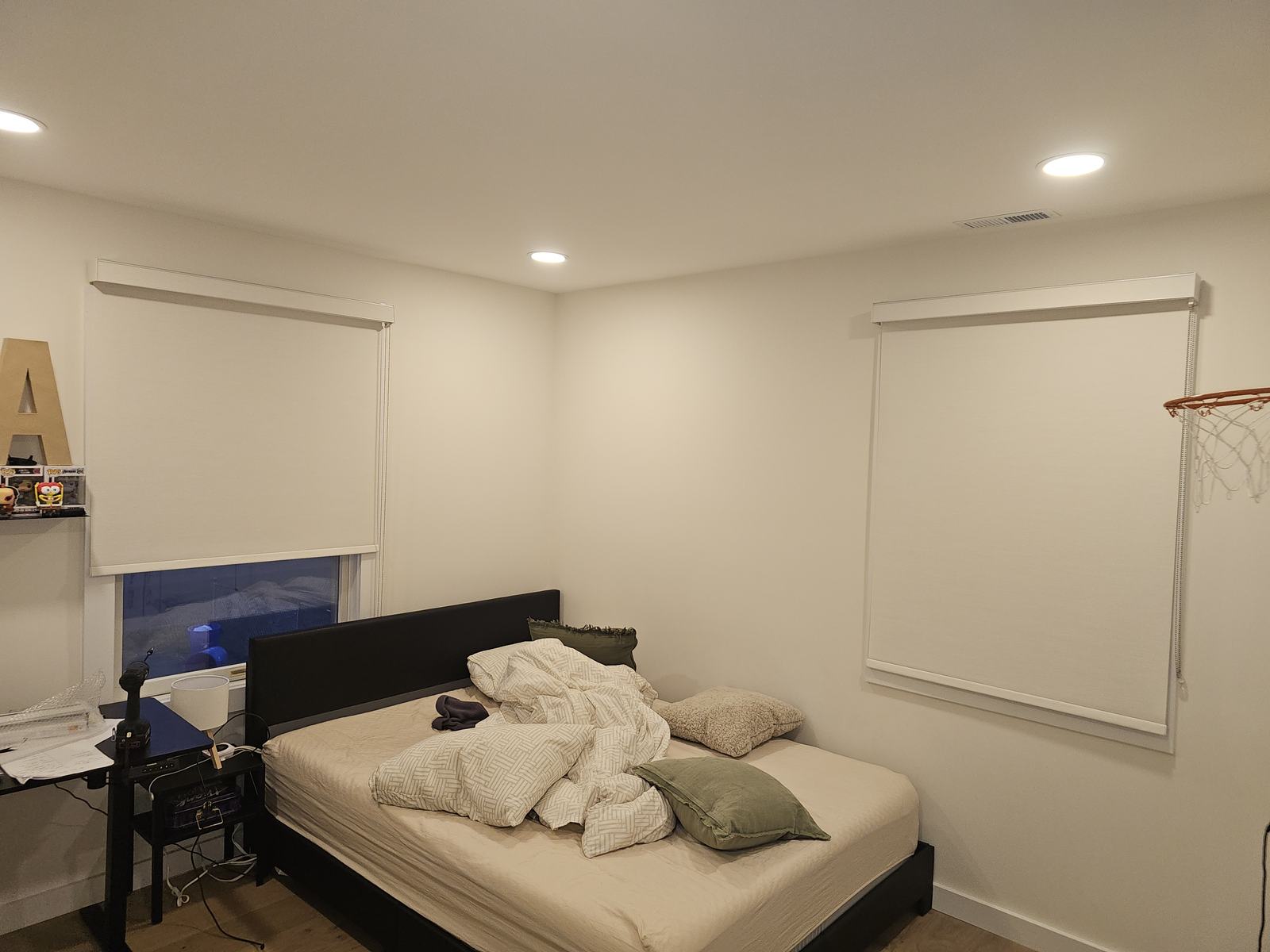
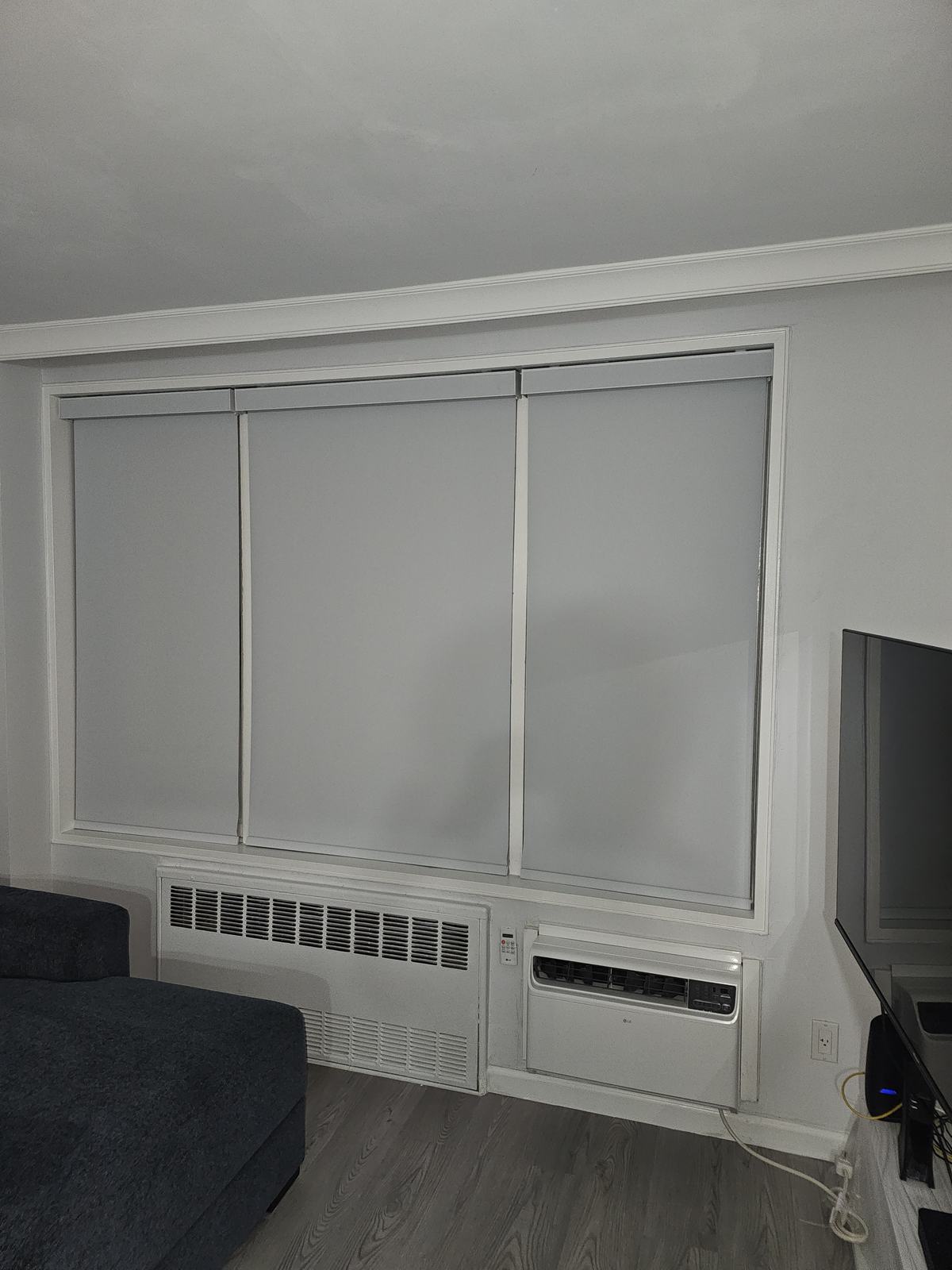
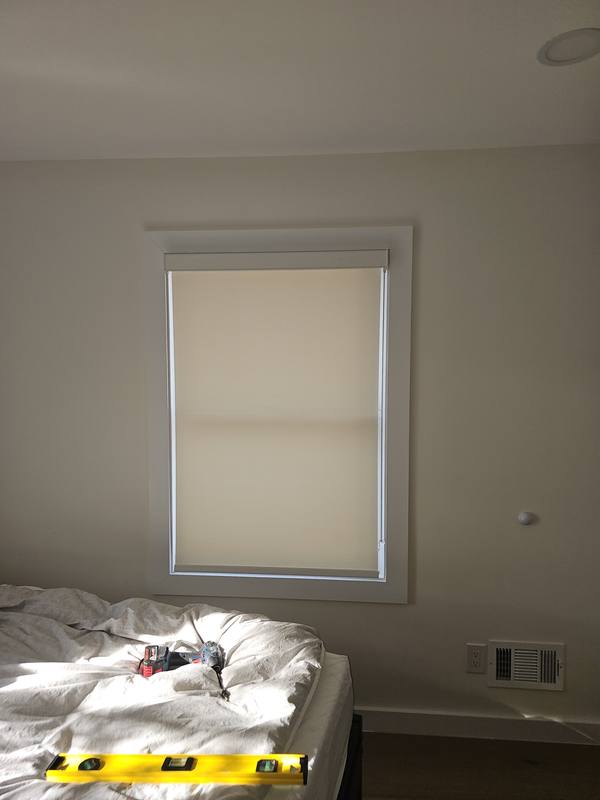
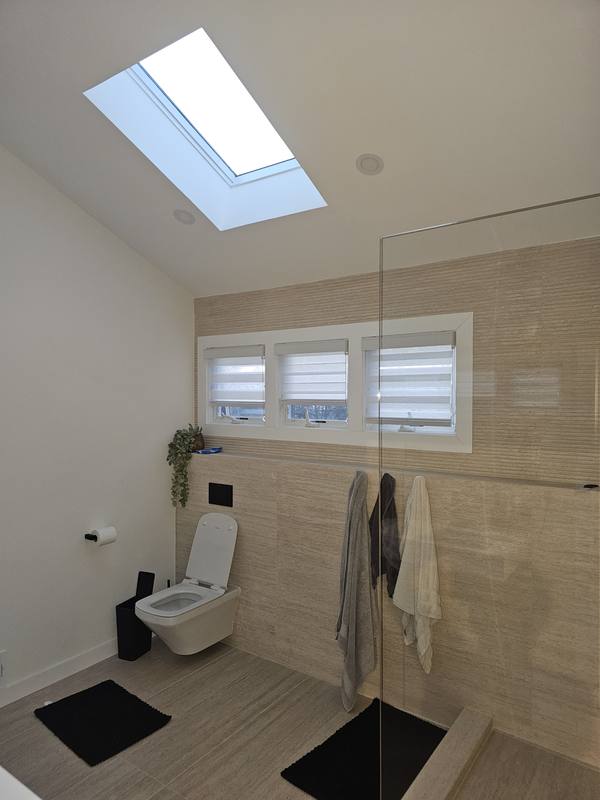
Roller Shades we have installed.
Photographs from finished ModuShade jobs, not stock images.
Related
Often specified alongside.
Service areas
Roller Shades near you.
We measure and install throughout Northern New Jersey and selected New York areas.
Frequently asked questions
Roller Shades: your questions answered.
What is the difference between solar and light filtering roller shades?
A solar shade is an open-weave screen that cuts glare and UV while keeping the outward view; a light filtering fabric is tighter, diffuses the light and removes the clear view. Rooms that face harsh afternoon sun often use solar shades, while street-facing rooms usually prefer light filtering.
Can roller shades be motorized later?
It is far cheaper to specify the motor with the shade than to retrofit one. If motorization is a possibility, tell us at the consultation and we will price both options.
Will there be light gaps at the edges?
Every roller shade has a small side gap. Where full darkness matters we use an outside mount or add side channels, and we explain the trade-off before ordering.
How long does a roller shade take from order to install?
Lead times vary by fabric and hardware. We confirm a realistic timeline at the consultation once the specific products are chosen.
Can roller shades be trimmed or banded?
Some fabrics accept a decorative edge or contrast band. We show you the finished options for the fabric you've chosen before ordering.
What is a cassette headrail?
A closed housing that hides the rolled fabric completely, giving a built-in look. A fascia is a simpler front cover; an exposed roll shows the tube.
Do inside-mount shades leave a gap at the sides?
A small clearance is needed for the shade to operate, which can let in slivers of light. Outside mounts or side channels close this if it matters for the room.
Free in-home consultation · Free professional installation
Bring the fabric to your window before you decide
We'll hold samples against your actual light and walk through mount, headrail and lift options together.
Talk to Leo directly
(201) 846-6181
info@modu-shade.com
Bergen County, Northern New Jersey, Hudson County, Manhattan and selected NYC areas